Wandermio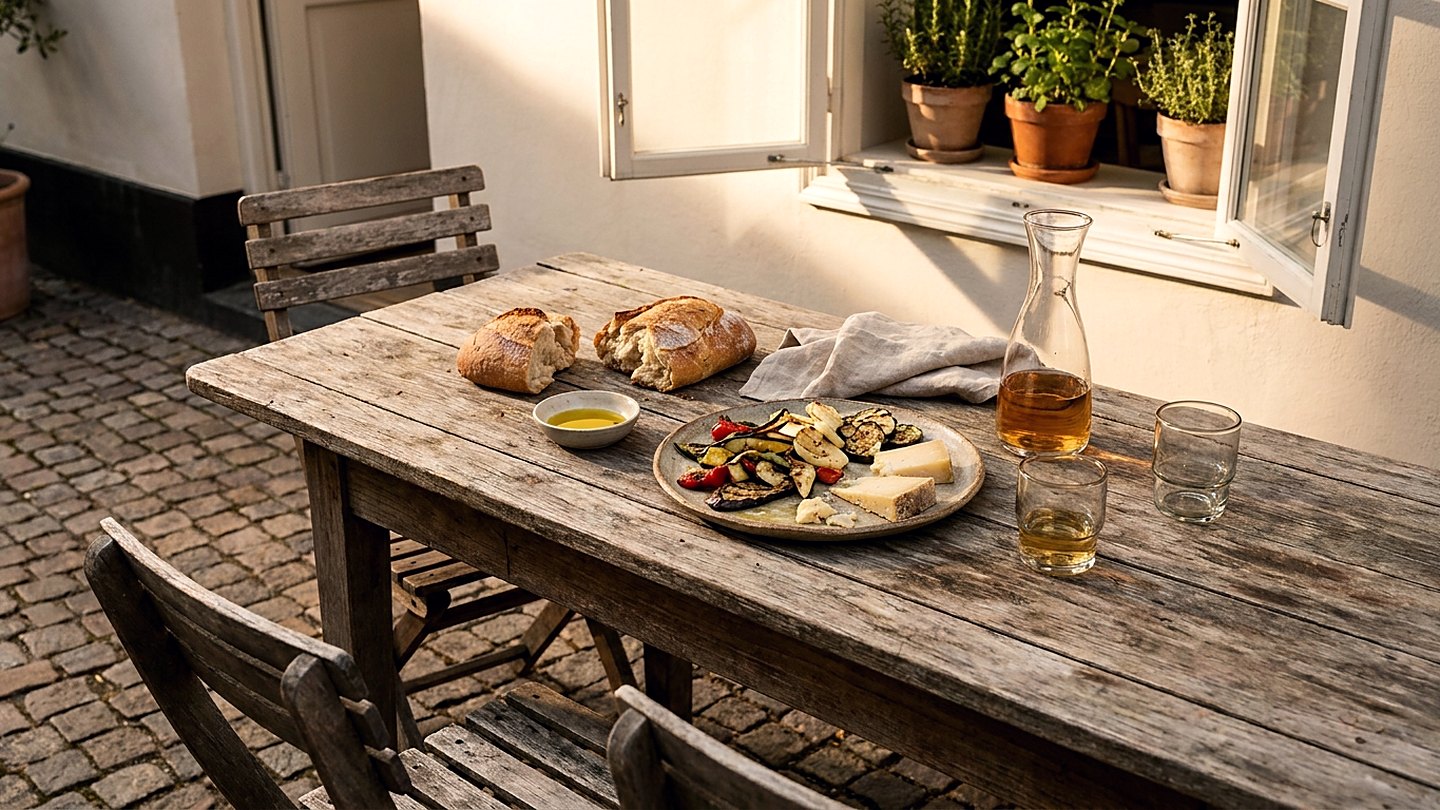
Eating Well Without a Single Reservation
The question shows up on the first night of every trip, usually as a message from home: where are you eating, did you book anything, is it hard to get in. For years my answer was a folder of confirmations made two months earlier, before I knew what the weather would do or how tired I would be by Thursday. I ate well enough on those trips. I also spent a lot of good evenings rushing across a city toward a room I had promised myself to in February, walking straight past four doorways I would rather have opened.
Now I reserve nothing, and I eat better than I did with a plan. Not because I worked out some clever way around the system, but because the way a city feeds itself is one of the more readable things about it, and learning to read it takes about a day. The generous hours are early. The rooms I remember are small. The seats that stay open are the ones most travelers skip. That is nearly everything I know, and the rest of this is how I use it.
The hour before the room fills
Somewhere in the late afternoon, every kitchen in a city goes quiet and then wakes back up. The prep is done, the pans are clean, the cooks have eaten their own meal standing at the pass, and for maybe an hour nobody is behind. That hour is when I want to be sitting down.
It is not really about getting in ahead of a crowd, though that happens too. It is that the first service of the evening is the one the kitchen has been building toward since morning. The fish came in at seven. The person who made the sauce is still the person watching it. Nothing has been held, stretched, or quietly improvised to cover a shortage. Later in the night the same kitchen can be excellent, but it is excellent the way a runner is strong in the last mile: still capable, no longer fresh.
The local clock is different everywhere, and working it out is the first job of any trip. I do it by walking, not by asking. That first evening I go down one promising street at six and then down the same street again at eight, and the difference between those two passes tells me when dinner actually happens here. Then I aim for the leading edge of it, twenty or thirty minutes before the room turns over. In one country that means sitting down at half past six with the shutters still open. In another it means eight o'clock feels early and nine is normal.
Later in the night the same kitchen can be excellent, but it is excellent the way a runner is strong in the last mile: still capable, no longer fresh.
What a morning market tells me before lunch
On the first full morning I go to the market, and not to shop. I go to be briefed. An hour among the stalls settles most of my eating for the week, because the market is the same conversation the kitchens are having, only louder and earlier.
What is stacked high at the front of every stall is what the region has right now. If six vendors in a row are piling up the same knobby green thing, that green thing will show up on every menu within four blocks by evening, and it is the thing I order. If one stall has it and the rest do not, it came from far away, and I leave it alone. Nobody has to explain any of this. The crates do the talking.
There is a second layer if you arrive early enough. At seven the people buying in quantity are cooks. Somebody fills two boxes with the same herb, has a short conversation, and walks out a side door, and that is a kitchen provisioning itself. The direction they go is a decent hint.
Then there is the eating. Nearly every covered market has a corner where food is cooked and handed over the counter to people in work clothes who eat standing up in about ten minutes. Some of my favorite meals of a whole trip happened there, out of a paper wrapper, before nine in the morning. I also buy fruit and a heel of bread for the afternoon, which quietly solves the four o'clock problem that ruins so many dinners.
The seat nobody asks for
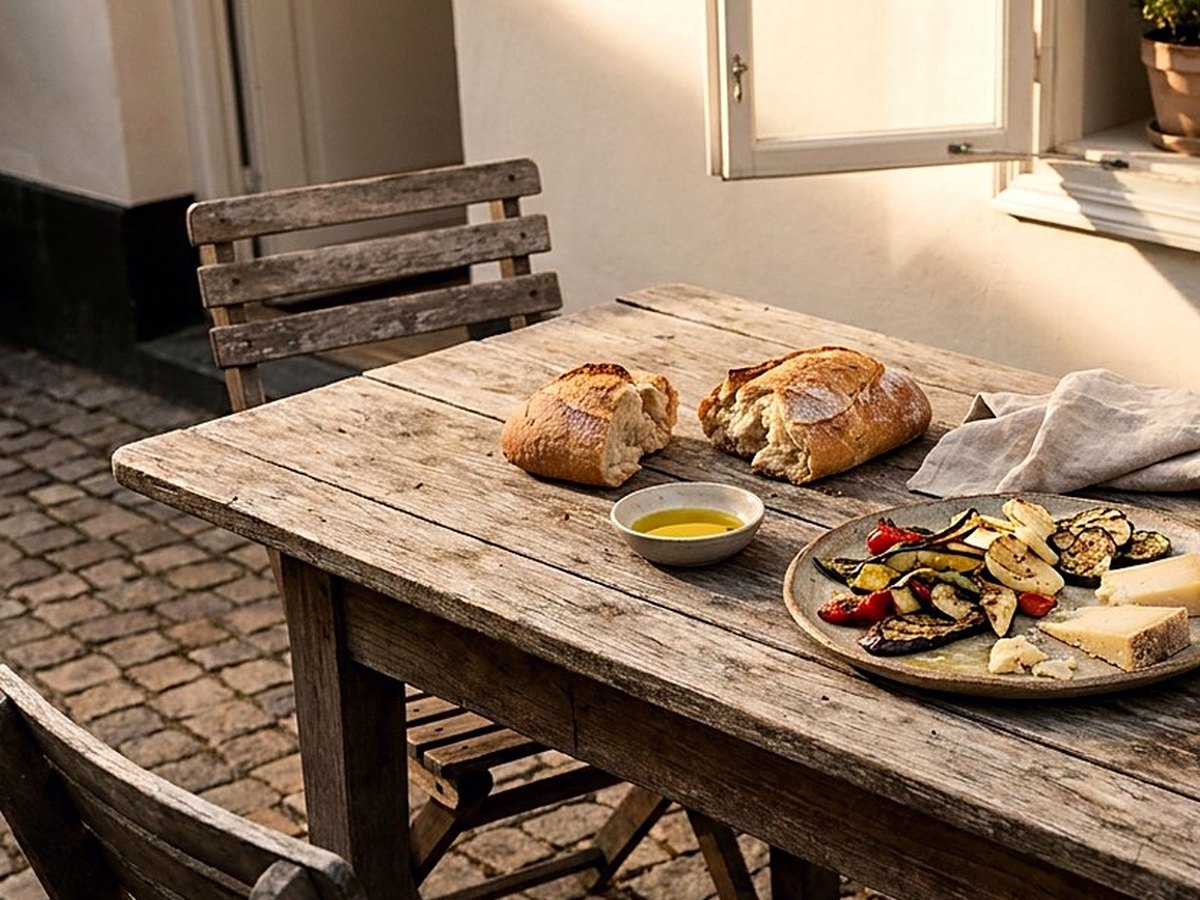
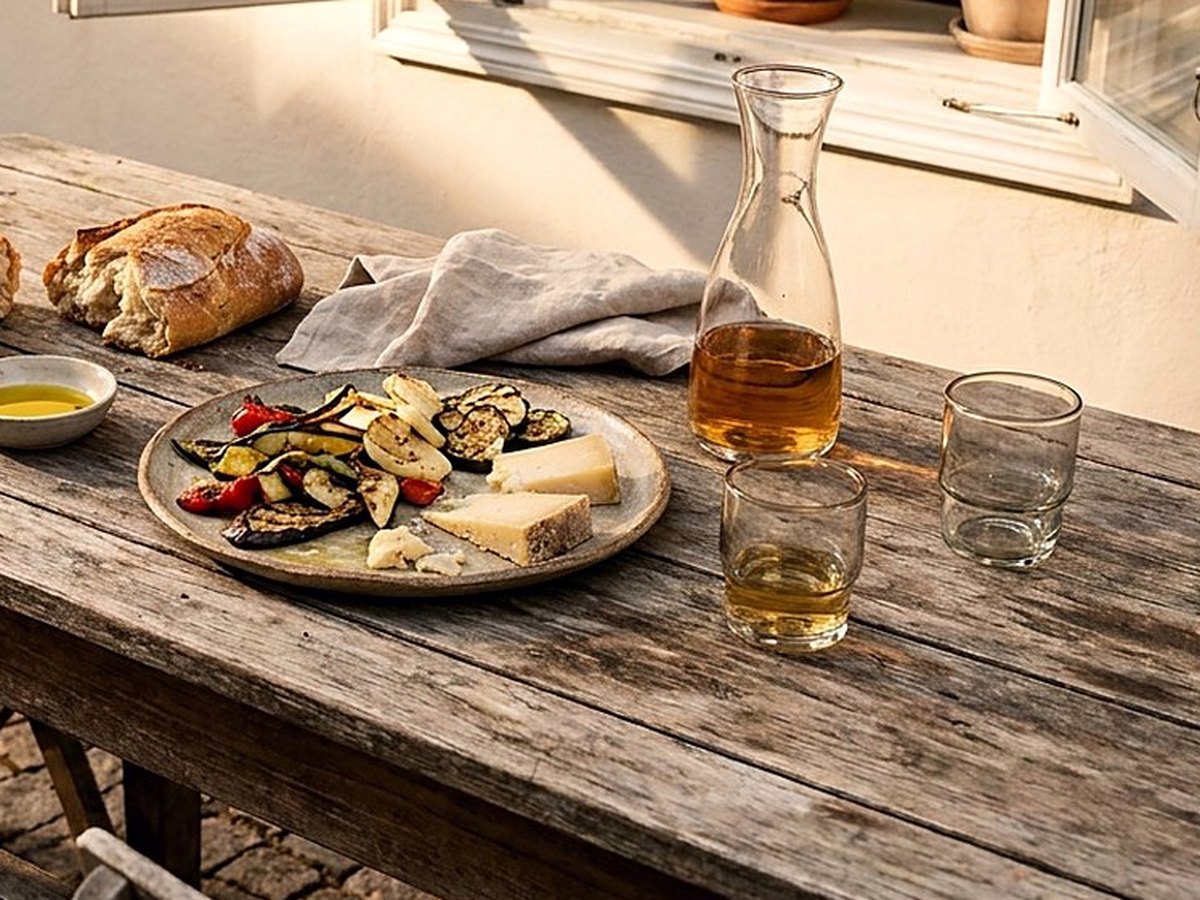
Two people can almost always sit at a counter. One person can always sit at a counter. That is the most useful habit I have picked up in ten years of eating without a booking, and it holds in more cities than I would have guessed.
Counters exist because kitchens need somewhere to hand things across, and the stools that end up there are the seats a party of six can never use. So they stay open, sometimes all night, in rooms with a wait at the door. I have walked into a full room, caught someone's eye, held up one finger, and been pointed to the end of a wooden counter within a minute. It works because I am asking for the thing nobody else wants.
The stool also buys you the show. I watch the pans, I see what comes off the heat most often, and when I cannot name a single word on the list I point at whatever just went past. Someone beside me says the name of it, slowly, twice, and I write it down to use all week. I have learned more about a place from twenty minutes at a counter than from a whole evening at a nicely set table by the window.
Reading the room before reading the menu
I decide from the doorway, and it takes about four seconds. Are people eating or waiting. Does the room smell like a kitchen or like a fryer. Is anyone here who clearly came from work nearby. Is the same dish going past me three times in five minutes, and do I want it.
Then the list itself. A short handwritten card that has been changed this week is a kitchen with an opinion and a supplier it trusts. Forty items across six languages means a storeroom, not a season. I look for the shortest section on the page, because that is usually the part the cooks argue about, and for a dish named after a town, a month, or a fisherman's word I do not recognize. Then I order one thing I understand and one thing I cannot pronounce, which is how I have found nearly everything I now go back for.
Reading a room also means knowing when to leave one. If a place is not right, I finish a glass of water, say thank you, and walk; there is another doorway forty steps away.
Which nights to aim for, how far to walk, what sits near a market
Days matter more than seasons for this. In a lot of cities Sunday evening and Monday are the quiet nights, when the good small rooms rest and the market halls shut by early afternoon. I plan those days around a long lunch instead and keep dinner simple. Public holidays do the same thing, harder, so it is worth knowing which ones fall inside your dates.
Shoulder months make all of this easier. In April or late September the staff have time to talk and a walk-in seat is not a small miracle. High summer in a busy city is the one time I bend my own habit and call a day ahead for a single dinner I care about, and even then I go early.
I keep my radius honest, too: a fifteen-minute walk from where I am sleeping, in whichever direction the streets get narrower. Eating early means the walk home happens while the city is still out, which is half the reason I do it. If I go farther, I check the last departure that brings me back before I sit down.
As for what tends to be nearby, the pattern repeats in city after city. Markets sit near old squares. Around them, in the four or five streets that feed the market, are the rooms that cook what the market sells. The blocks right beside a big station or a famous view are the ones I skip, because they are feeding people who will never come back, and it shows. Walk ten more minutes. Somebody there is cooking for neighbors, the door is propped open, and there is a stool waiting at the quiet end of the counter.

Ida Fenwick
Writes and photographs this blog from Charleston, West Virginia. More about the blog.
Read next
-
Photographing a City at Dawn
The half hour before sunrise gives you a city with the crowds edited out and the light improving by the minute. Here is how I choose the corner the night before and wait for the sun to come down the walls.
-
Train Days Across Europe: How I Build a Day on the Rails
I stopped planning trips as a list of cities and started planning them as a list of days, each one shaped by a single ride. Here is how those days get built.